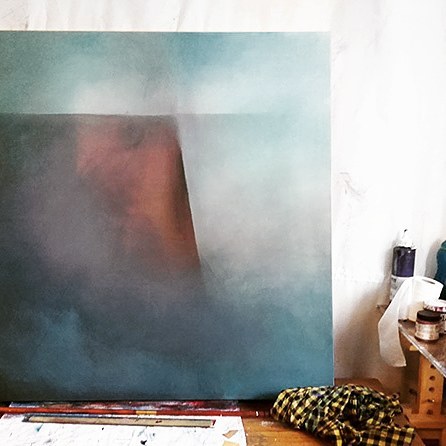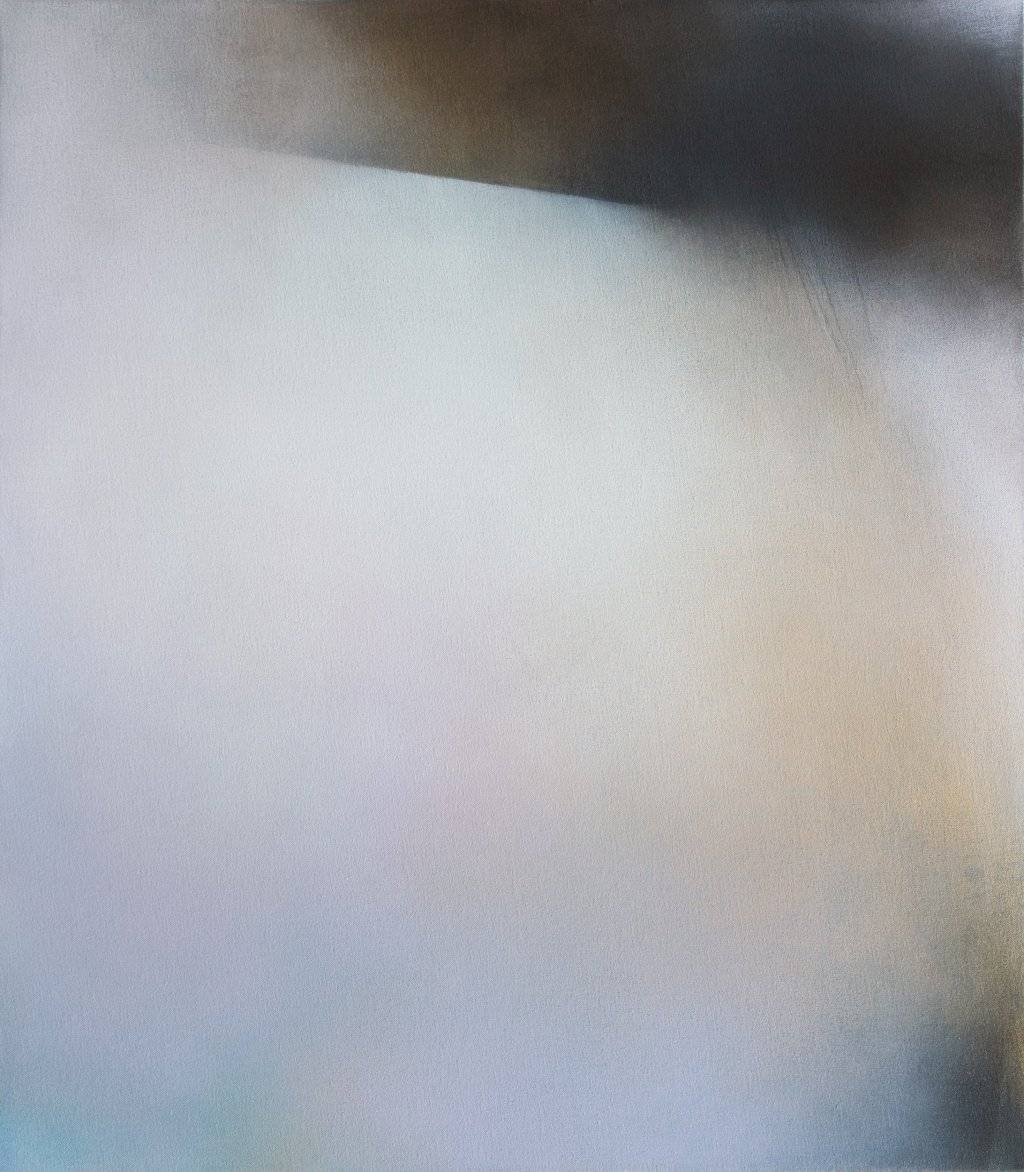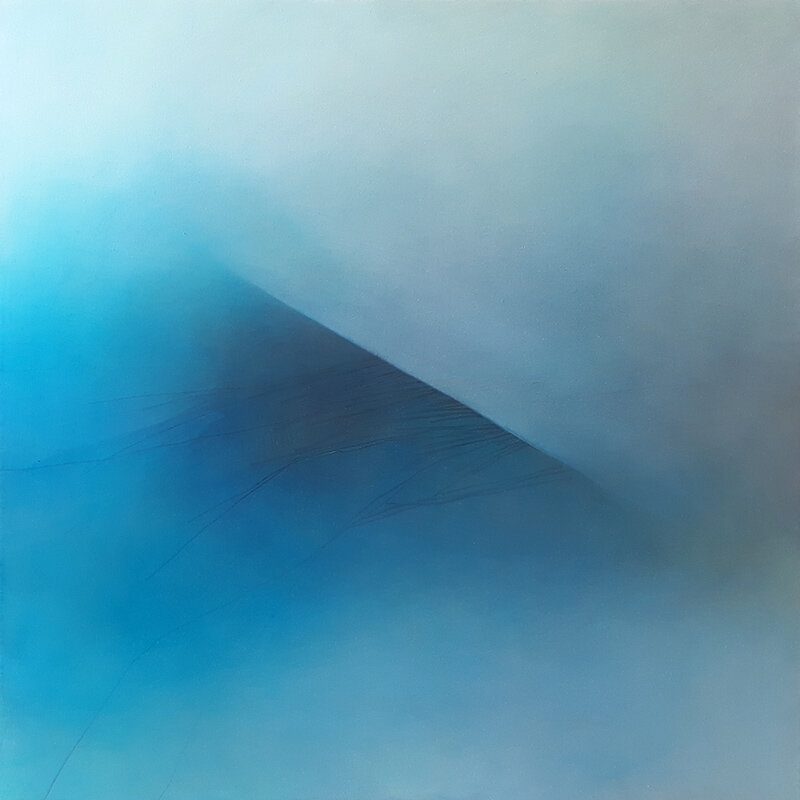
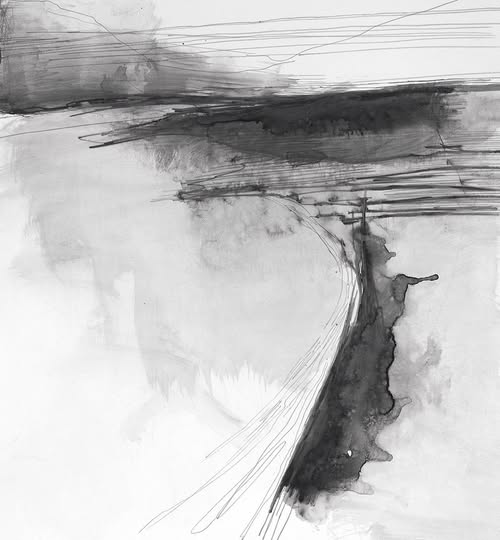
The painting “Under Hilde” (sometimes ‘Hild’ because I can’t even get my own spelling consistent) has two stories to it – one mine and one hers.
“Under Hilde” is sort of a little glimpse into my own way of learning. Being the perpetual student (7 degrees and still going).
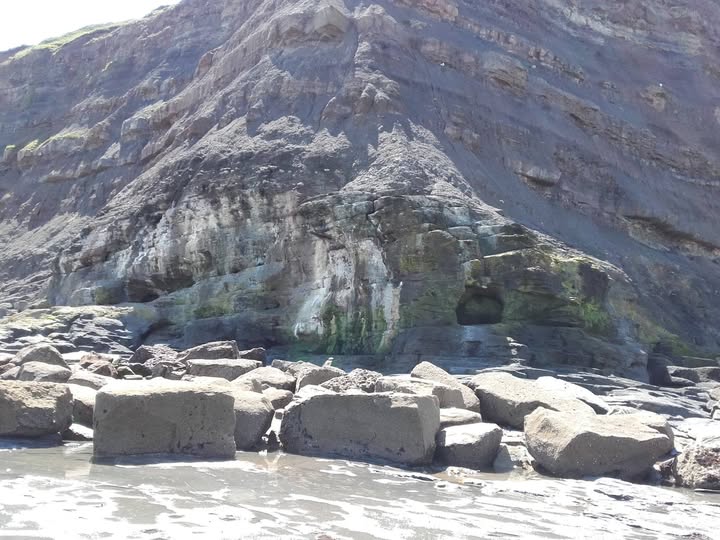
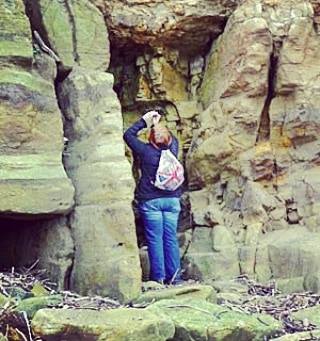
The painting is actually a view from east of Whitby’s – standing on the stone shale looking upwards at the edge of cliff. Specifically, two spots. After doing drawings on my second and third visits to Whitby, before I moved here, I conflated the ideas of two locations. Firstly, just under the old lighthouse – now Hornblower Lodge – further east past Saltwick Bay. Secondly, the view up to the cliff under Whitby Abbey – where I was searching for plant fossils. (There’s a short stretch of cliff where a period of good plant fossils can be found.)
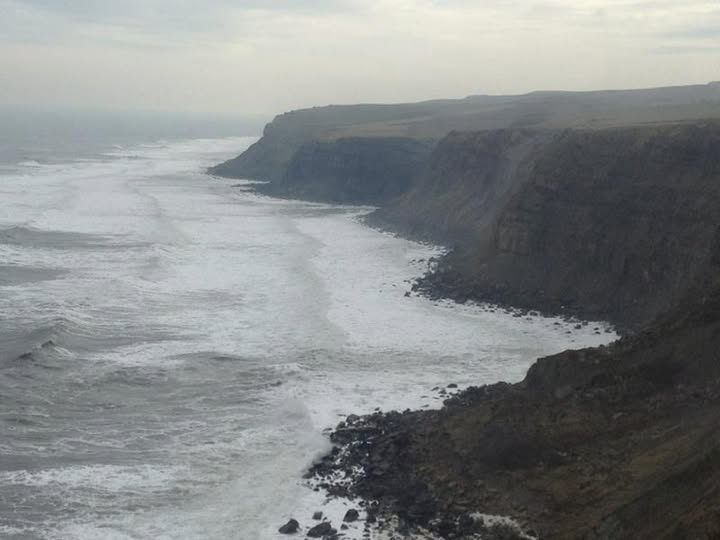
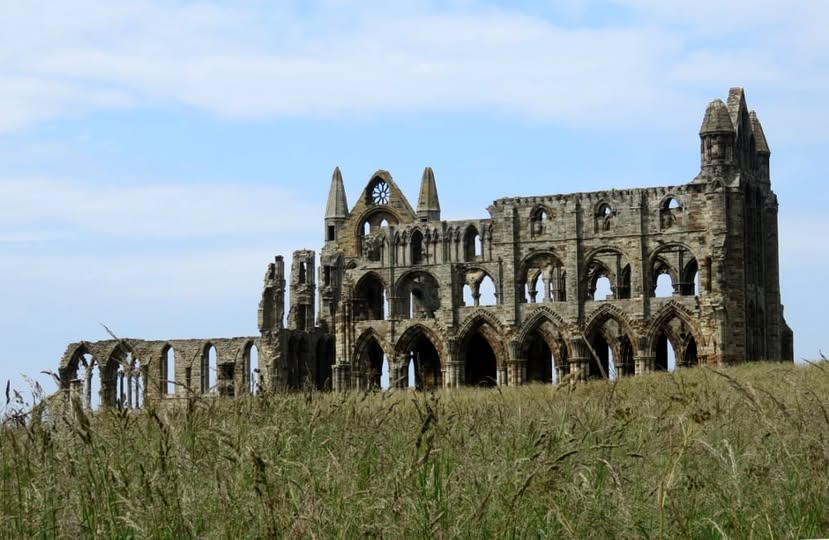
And on my second visit I was staying in the old Abbey, which is now a wonderful YHA youth hostel. (room to myself because I’m not a youth anymore! lol) I’d known nothing about the abbey and the history, so started learning during my stay when I also got to visit the abbey museum.
Artistically, what I was painting was absolutely clear blue days. The funny thing about clear blue days is they are gorgeous, but generally not good art fodder. It’s flat skies, flat sea, and the deep earthy colours of the cliffs and their geological layers can get lost in the bright light. So I took that blue and ran with it! Everything blue – the sky, the sea, the mist, even the cliff. Let the brilliant blue reflect from everywhere.
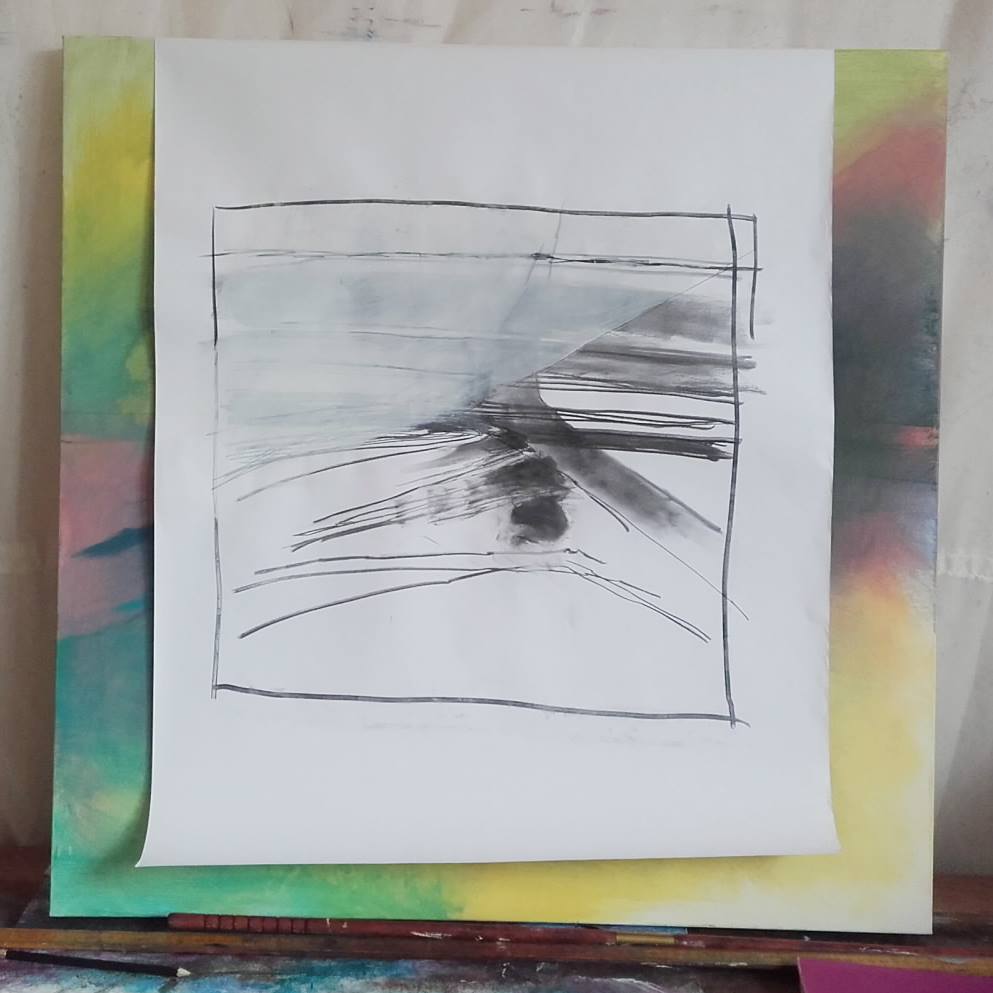
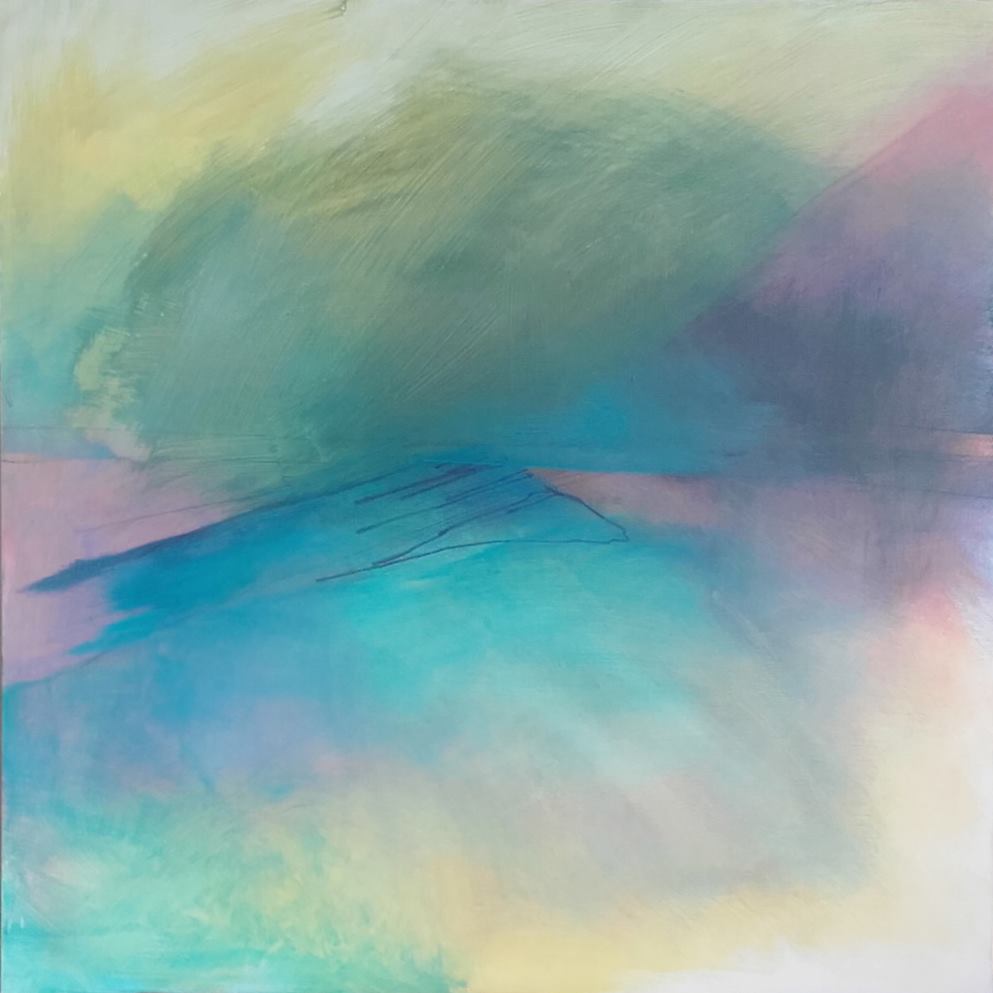
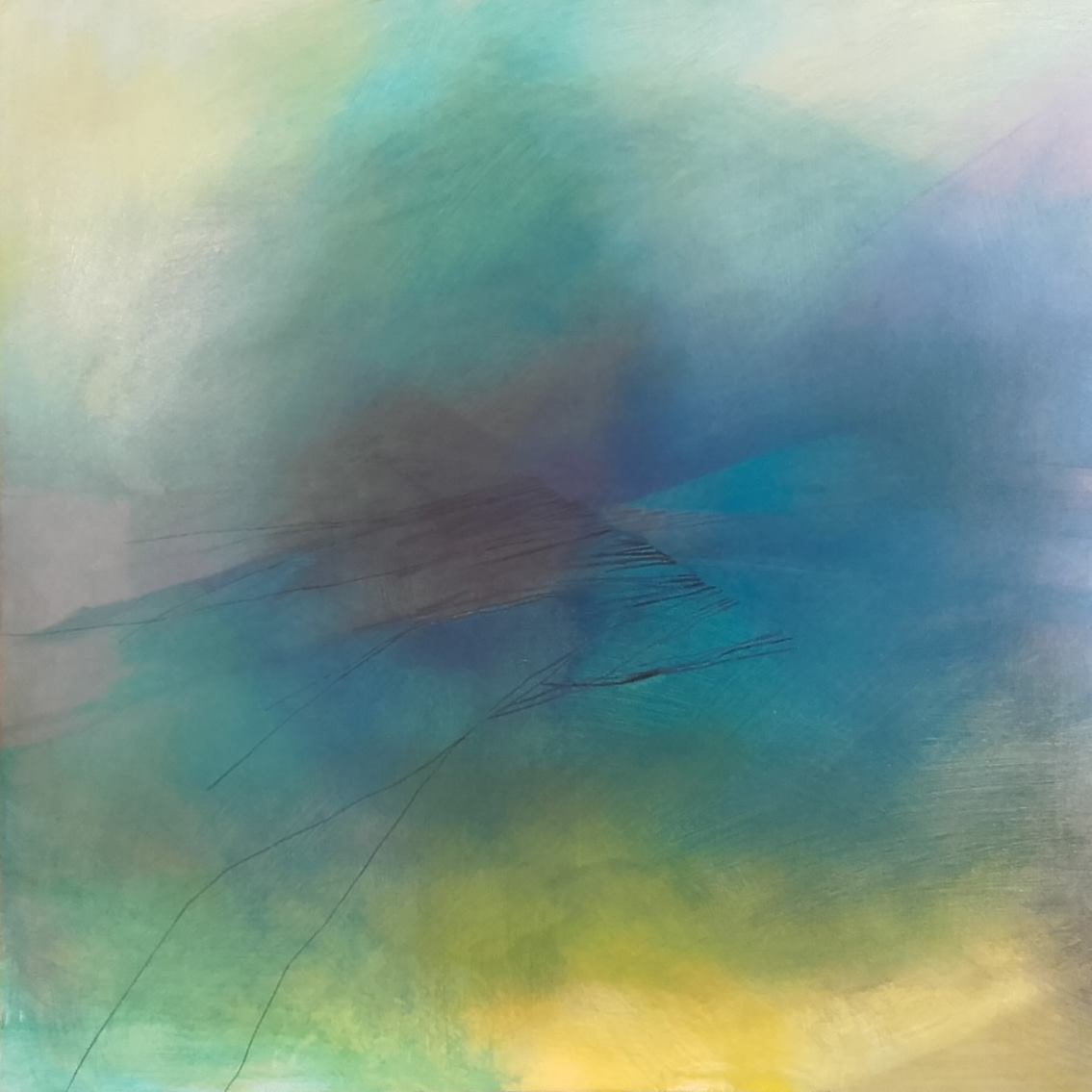
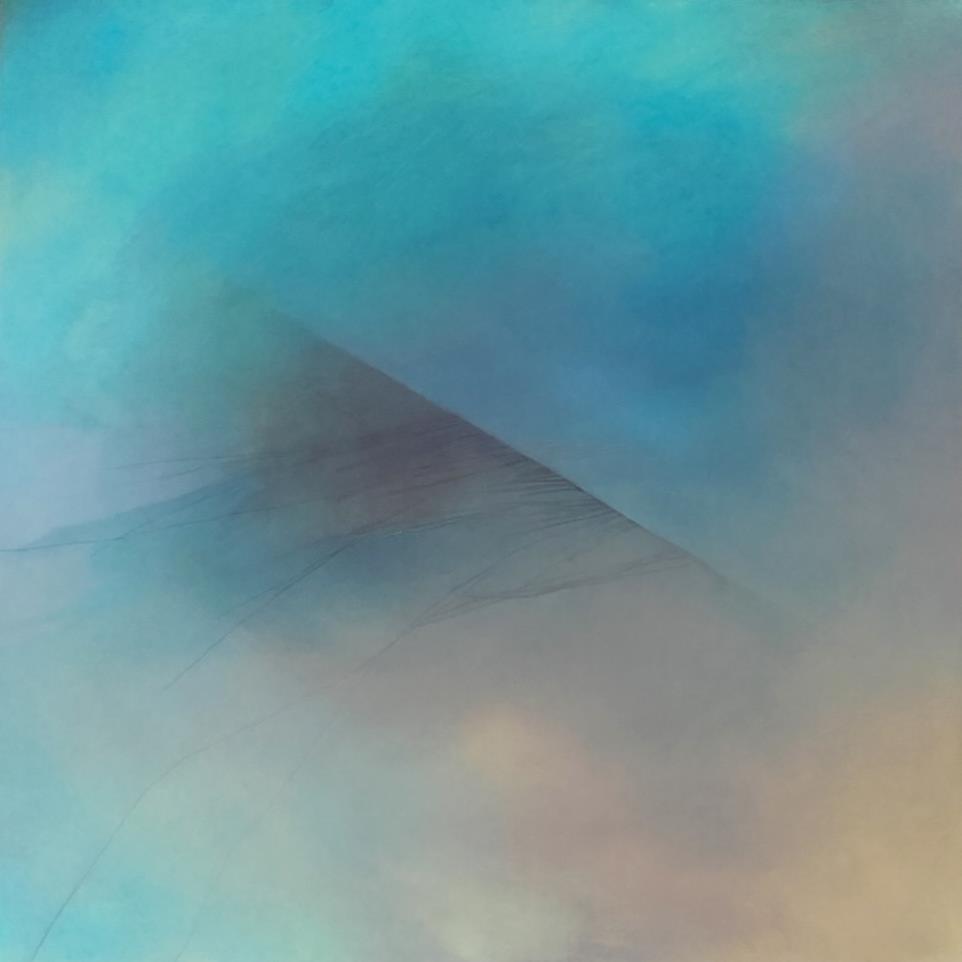
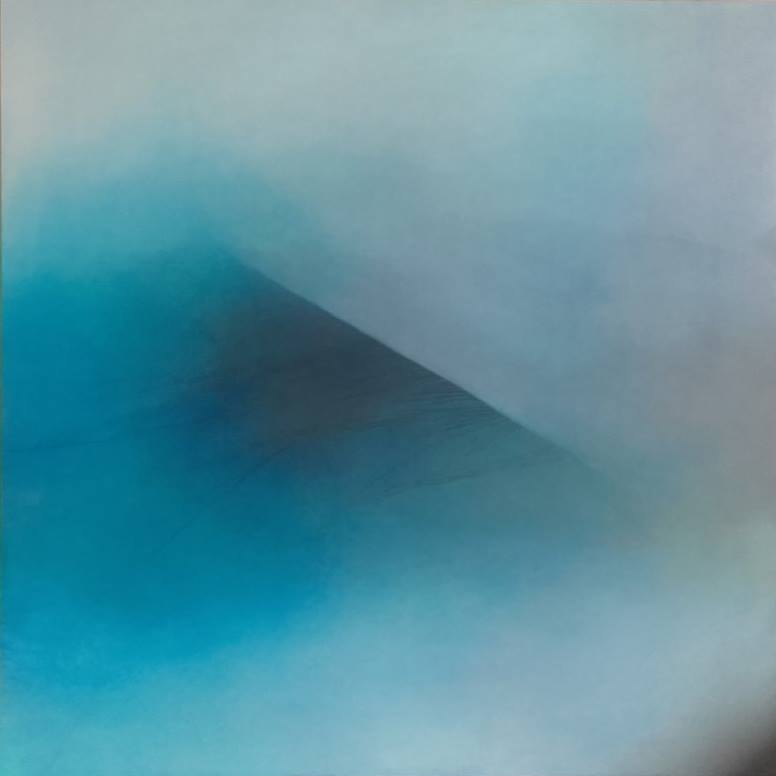
(for the artists, this is using ultramarine mixes for the darks and pthalo blue green shade for almost everything else – all over bright underlayers of magenta, sap green, and green gold)
There’s a hint this painting is later than my original visits – the dark drawn lines of layers of mudstone and shale in the cliffs. I started adding geological elements some years after I first discovered the Yorkshire cliffs. And in this painting I used black watercolour pencil, as I hadn’t yet discovered my beloved Mars Lumograph carbon black pencils.
But what about Hilde? Well, she was a local abbess and now saint. She ran the abbey and was there in the time of the historic Whitby Synod (CE 664) – which is when the observational date of Easter was decided (Irish vs Rome practices debate). For a woman to be recorded in history, albeit with only minimal information, and for her to have been regarded such a learned figure by a national, if not international, community was remarkable for the time.
This past month I’ve actually been reminded again of her legacy as I took my parents, visiting from the USA, touring around the moors and Whitby where we found mention after mention of her and churches in her name. So now I need to go read more!
A book I’ve enjoyed is actually a fictional account but I highly recommend it: Credo by Melvyn Bragg. Actually the story of Saint Bega, but her story takes her to Whitby and Hilde so it was an enjoyable way to learn about the larger time period.