Nestled in the cliffs of Saltwick Bay near Whitby, belemnites are among the most fun fossils I collect. Why? Because how can you resist a pointy bullet-shaped piece of rock?
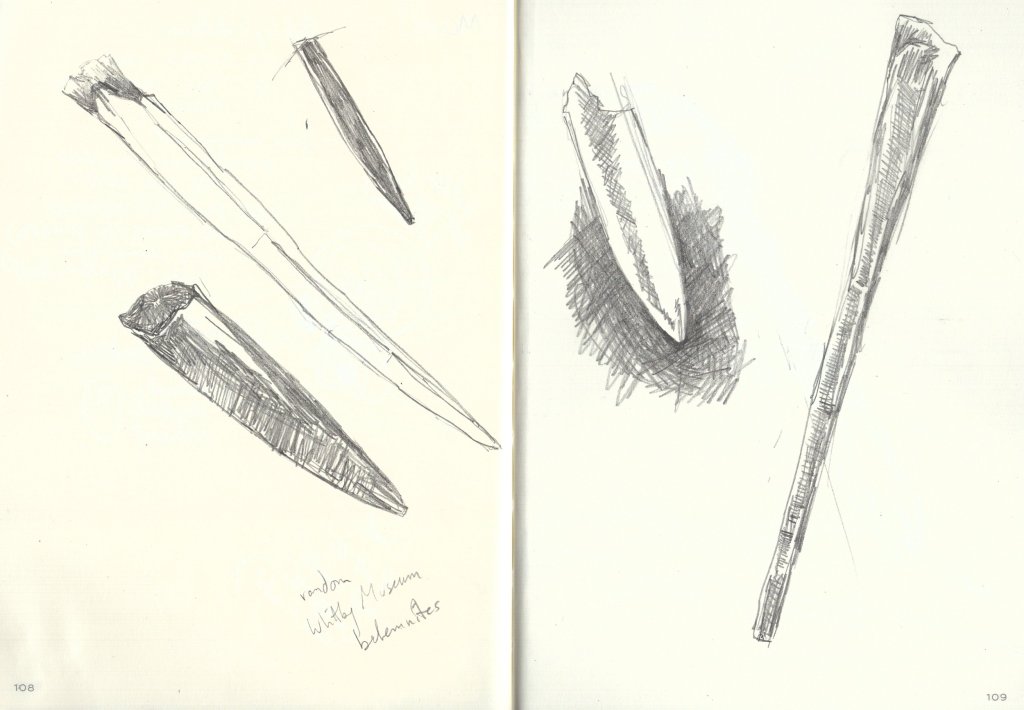

They nestle in the gaps of the large boulders at the foot of the cliffs, so at low tide you can walk the bay and just rummage in the little pools and piles to find these smooth, cylindrical shapes.
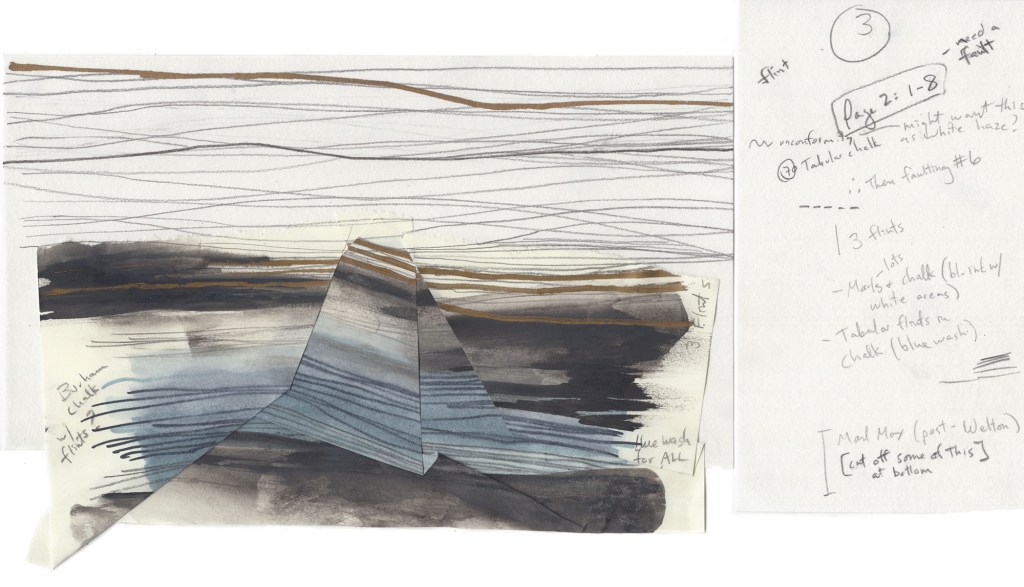
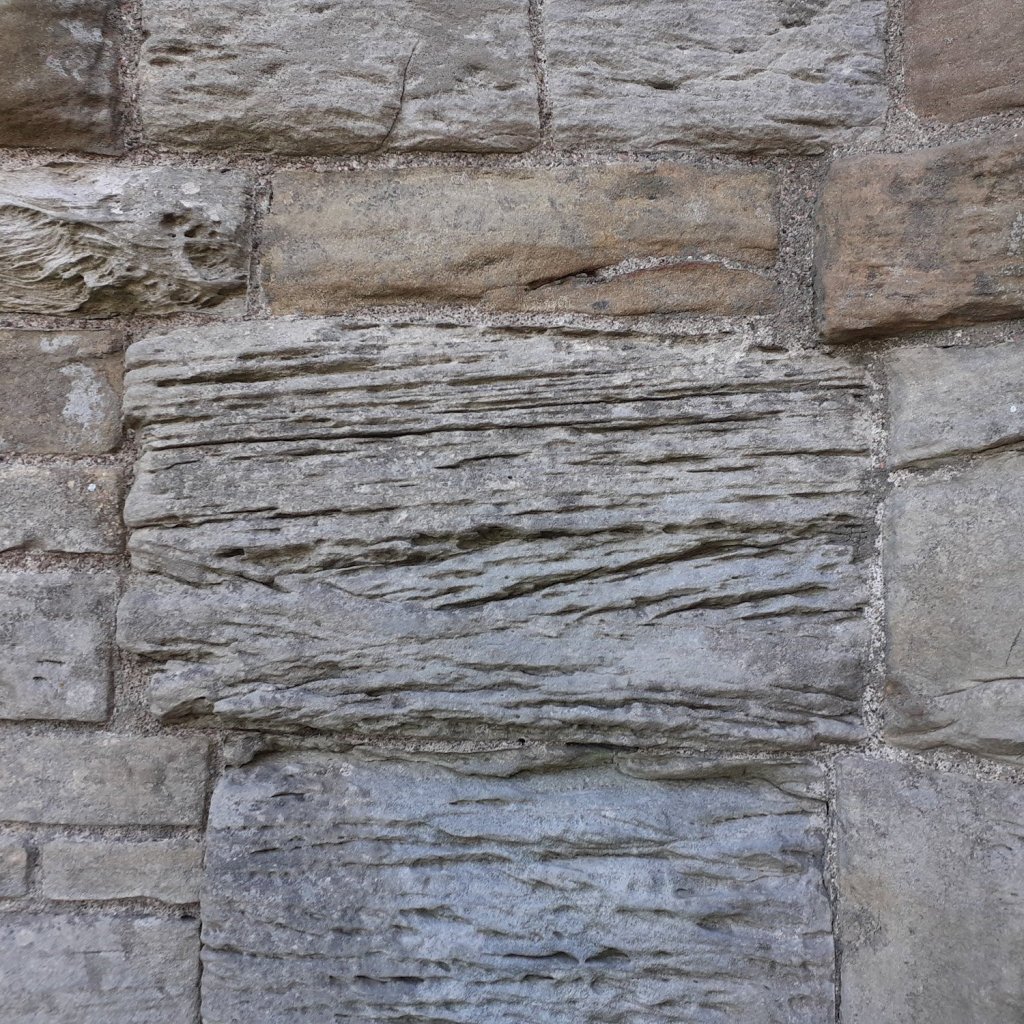
Like my very favourite fossils, bivalve clusters, belemnites are a reminder of the deep time running through this stretch of Yorkshire coast. A layering I try to capture in the surface of my work with the lines and marks of geological layers. In paintings like Sea Stack and September, these layers are layers full of belemnites.
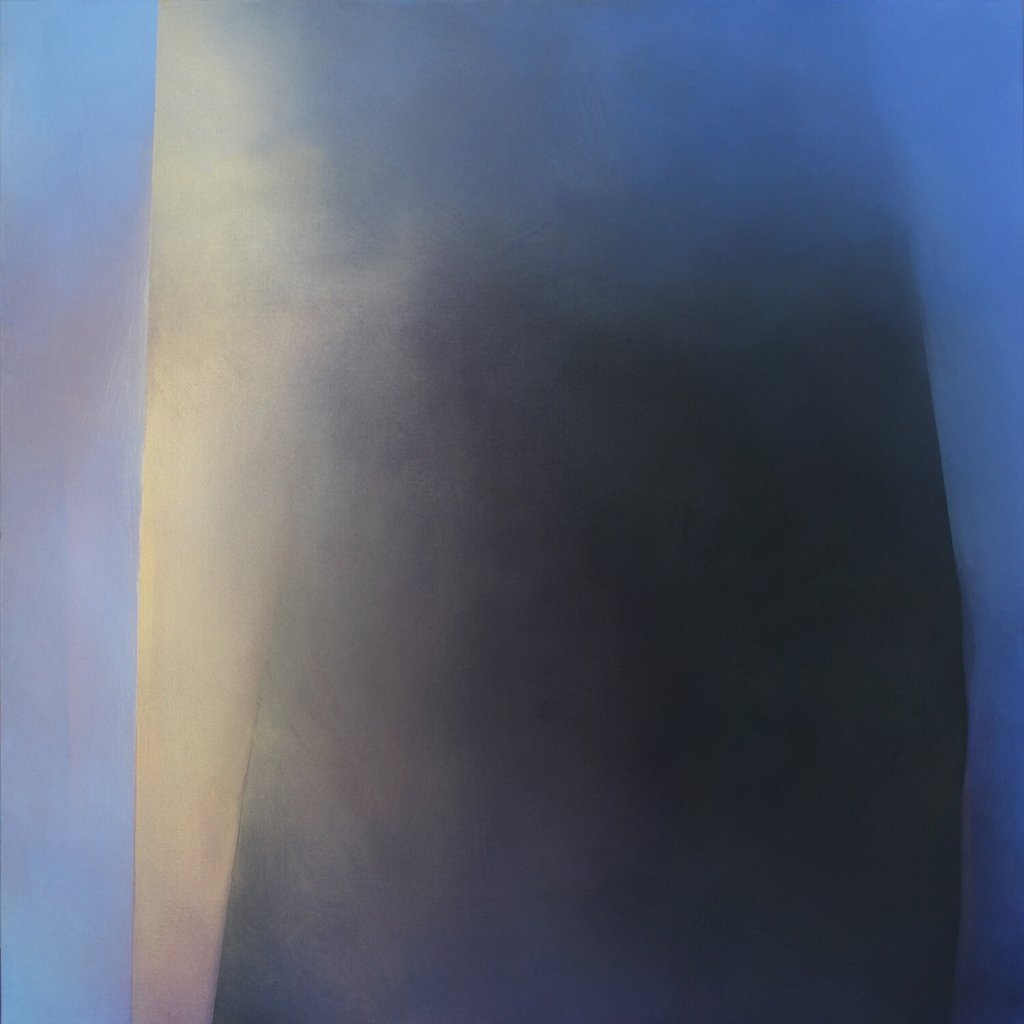
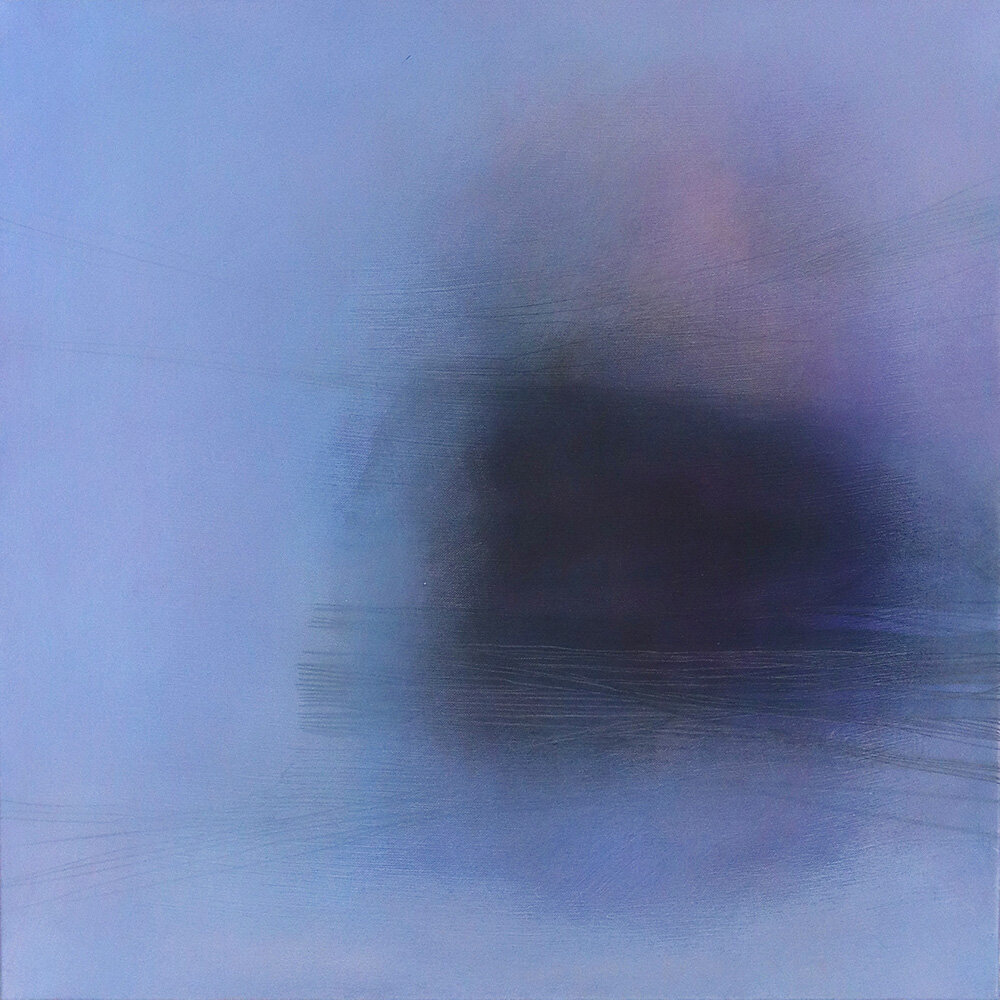
These extinct marine creatures, distant relatives of modern squids, left behind their characteristic bullet-shaped rostrum embedded in Jurassic limestone. Their soft bodies didn’t survive time but their inner hard bits did. (BGS site has a great page about belemnites here.)
My favourite thing about them, about how they share a message about time, is that they lived in a very specific temperature range. You can see belemites ‘appear’ in the rock layer sequence near Saltwick and then disappear again as you walk towards Whitby, within about a mile. So they show us that those ancient seas changed so that belemnites thrived, and then changed again just enough that they died out and different creature fossils become more common.
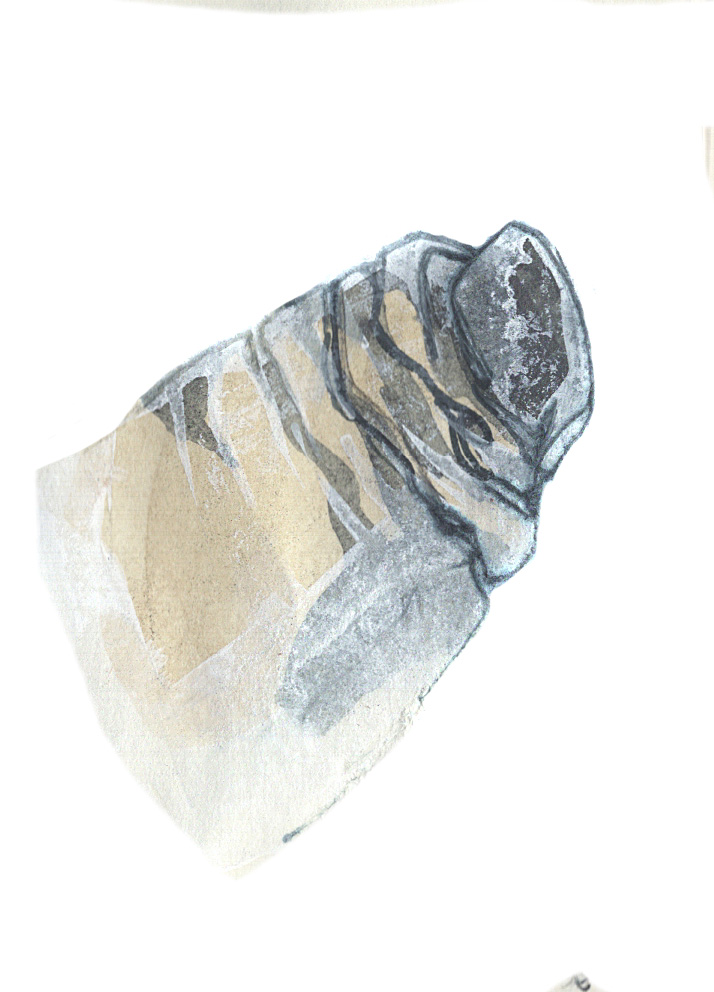

It’s not the creatures or the fossils themselves that I want to capture, but that amazing sense of time and change captured in these impressive cliffs and rocks.
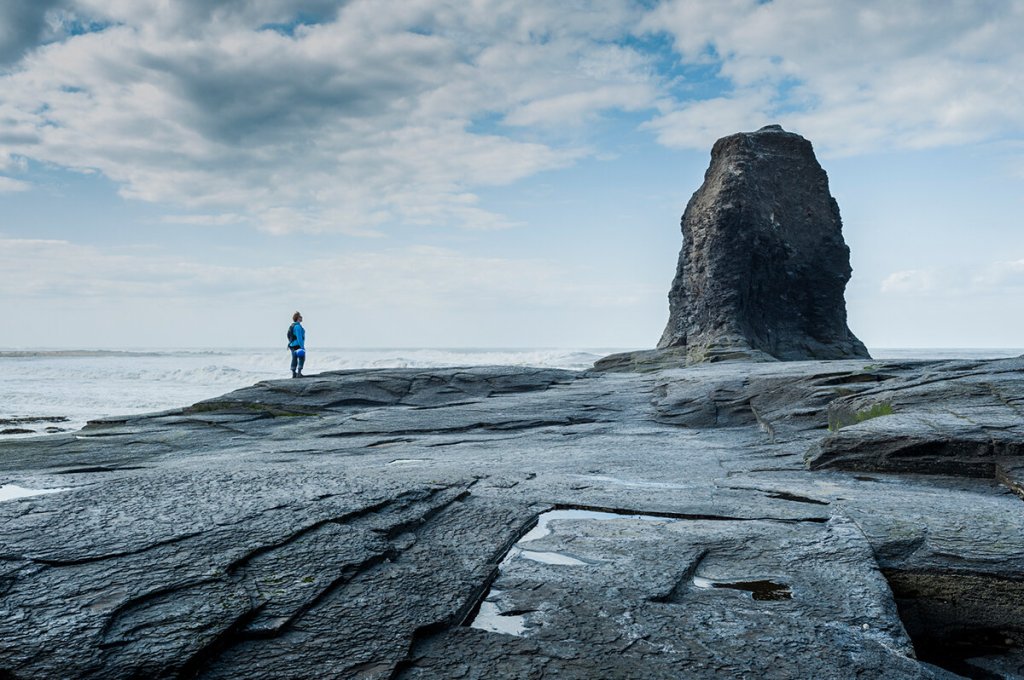
Black Nab in my painter’s eye is a chunk of time. A standing clock showing us the past and the sea surrounds it and slowly wears it away. A painting can capture that monument of time, of an ancient past.



 TINA MAMMOSER